
A Calm Next Step After Wind, Hail, Debris, or Heavy Rain
Start with safety, document what you can see from the ground, prevent avoidable interior damage when safe, and request an exterior assessment without assuming the final repair scope.
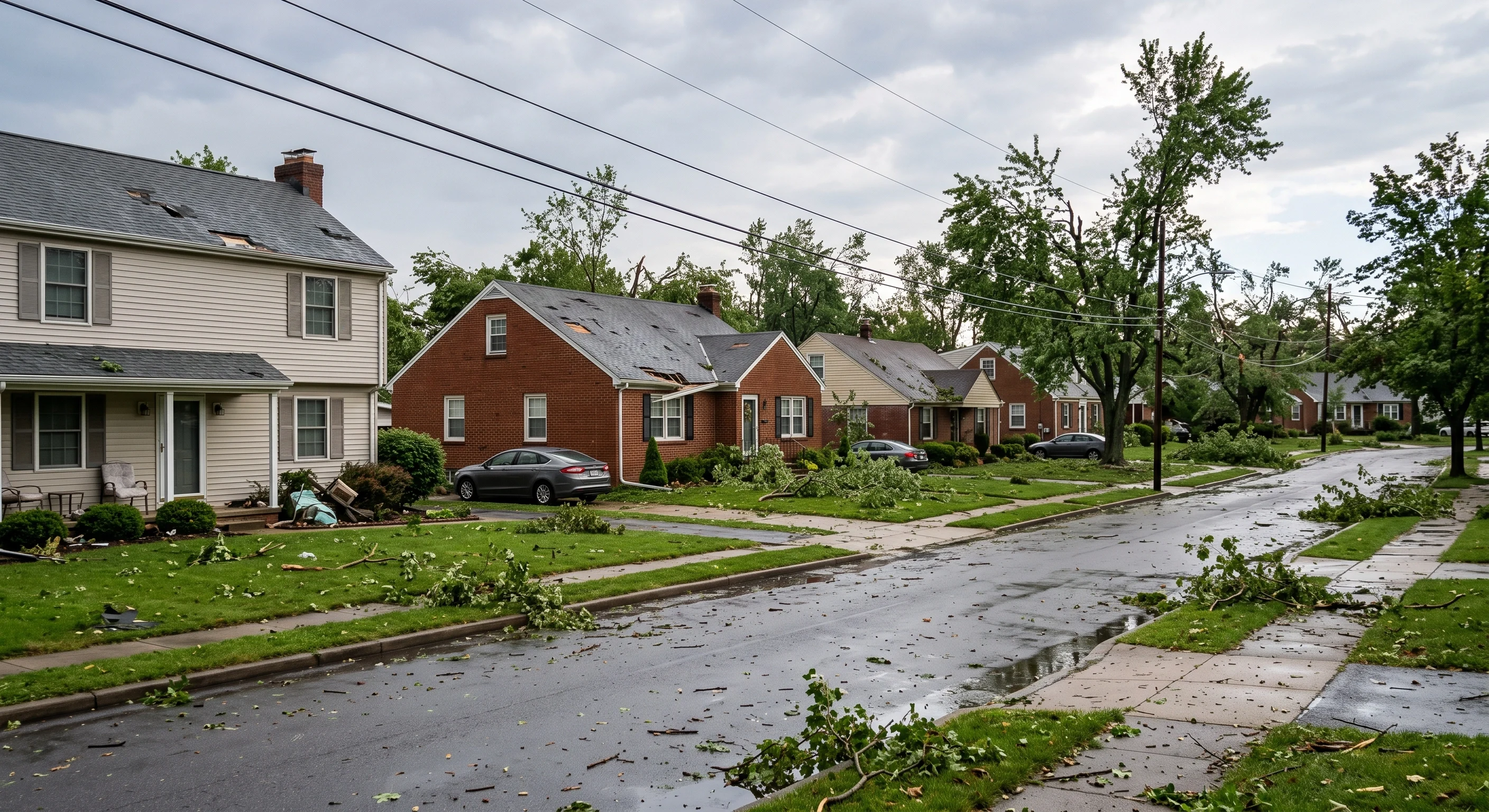
Look at the whole exterior
Storm effects can be obvious or subtle and may affect siding, roofing, flashing, trim, gutters, penetrations, and exterior openings differently.
Storm Inspection
Understand what an exterior assessment should cover.
Explore Storm Inspection →Siding Damage
Review siding-specific storm concerns.
Explore Siding Damage →Roof Damage
Review roof-specific storm concerns.
Explore Roof Damage →Useful signs, questions, and decision factors
The right next step depends on the condition of the affected material, the surrounding assembly, compatibility, access, and the goals for the home.
- Loose, missing, cracked, or dented siding
- Lifted, missing, creased, or impact-marked roofing
- Damage around trim, vents, flashing, or penetrations
- Water entry or new interior staining after the event
From concern to clear next step
Prioritize safety
Document visible conditions
Request an exterior assessment
Review findings and practical next steps
Storm Damage FAQs
Should I climb on the roof after a storm?
No. Avoid unsafe roof access. Observe from the ground and use a qualified professional for close inspection.
Does visible storm damage guarantee insurance coverage?
No. Coverage depends on the policy, cause, timing, documentation, and insurer determination.
Can one inspection consider both siding and roofing?
Yes. Exterior storm assessment should consider both service families when conditions warrant it.
Ready to talk about the exterior?
Share the property location, what you are seeing, and whether the concern involves siding, roofing, or both.